

Paddington Arm, Grand Union Canal (Kensal Road Stretch)
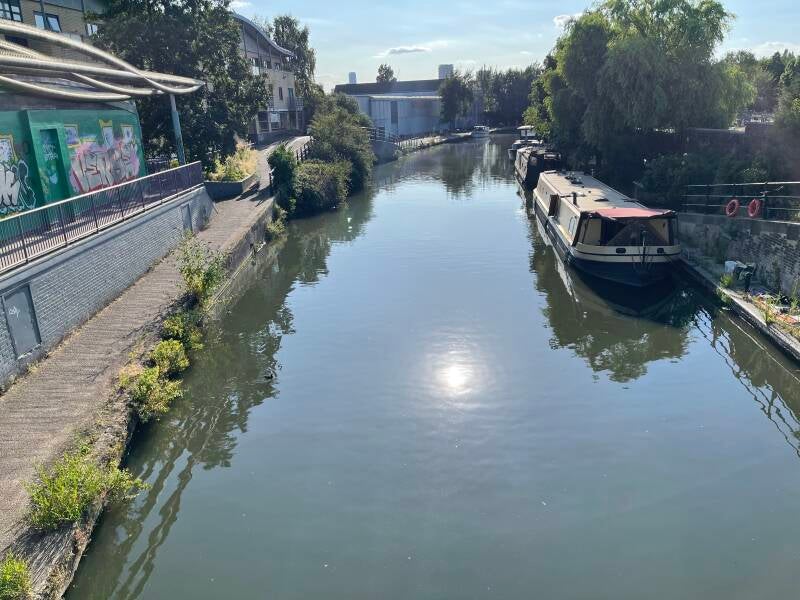
View from Ladbroke Grove Bridge looking West
The Paddington Arm visually appeared to be in fair to good visual condition. The water was green-brown in colour with moderate clarity and reflected surrounding buildings and vegetation, suggesting relatively low levels of suspended sediment.
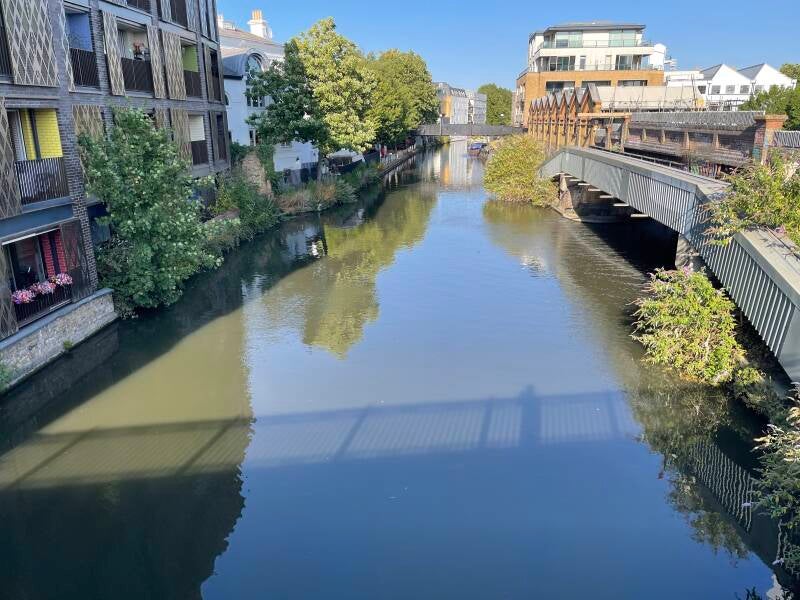
View from Ladbroke Grove Bridge looking East
No obvious signs of pollution such as oil films, sewage, excessive litter, or foam were seen. The canal banks supported healthy vegetation and there were no visible signs of environmental distress
Click image to enlarge photo
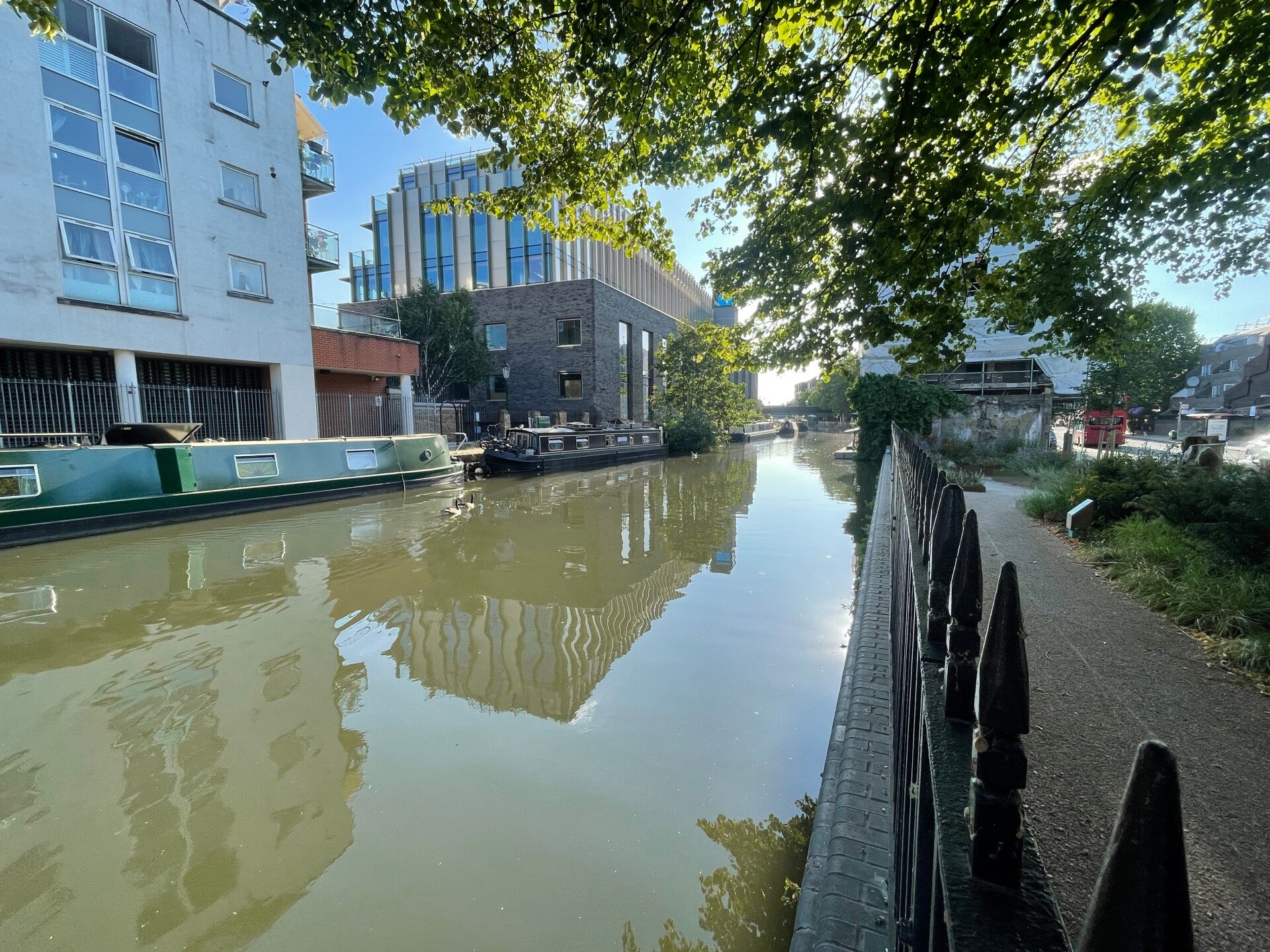
The calm water creates striking reflections of the buildings and evening sky, demonstrating how tranquil the canal can appear during periods of settled weather. Such reflections usually indicate that the water surface is undisturbed, making it easier to spot any floating litter, oil sheens or other signs of pollution
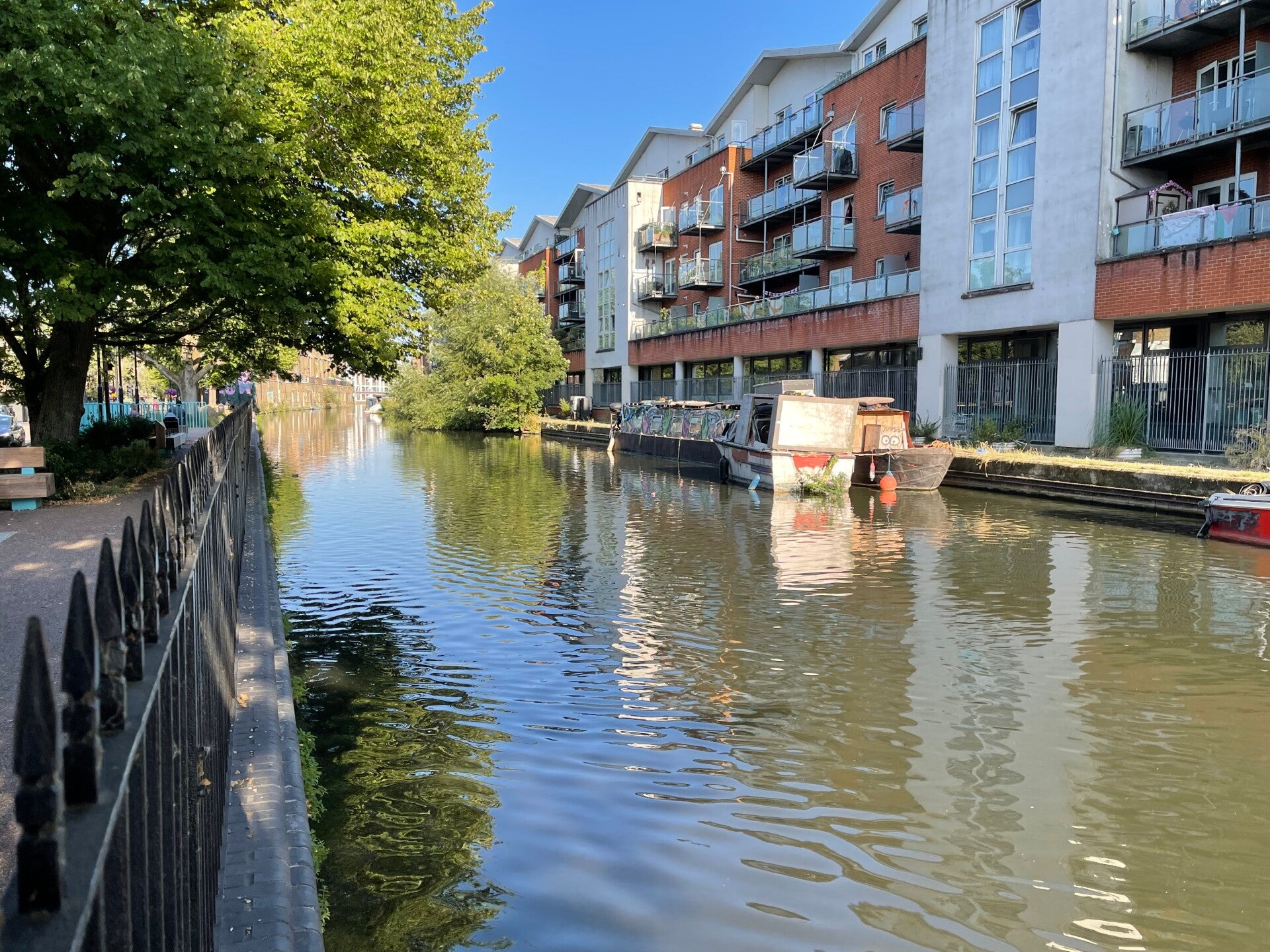
The tree-lined banks also play an important environmental role. Vegetation helps provide shade for the water, supports insects and birds, offers habitat for aquatic wildlife
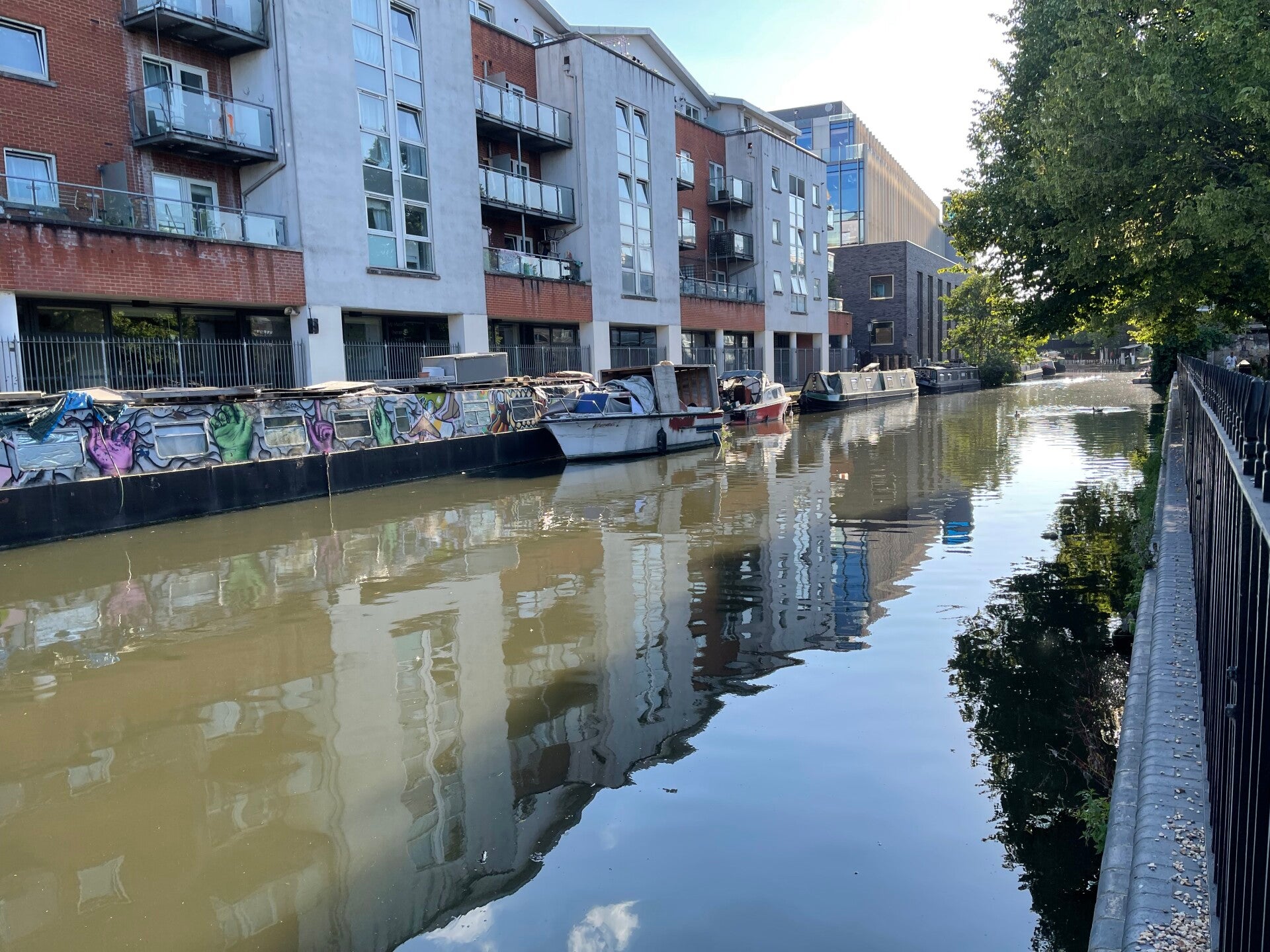
These green spaces are essential in improving biodiversity and creating a healthier environment for both wildlife and local residents.
Warm temperatures and slow-moving water can encourage algae growth and reduce dissolved oxygen levels, placing additional stress on fish and aquatic wildlife.
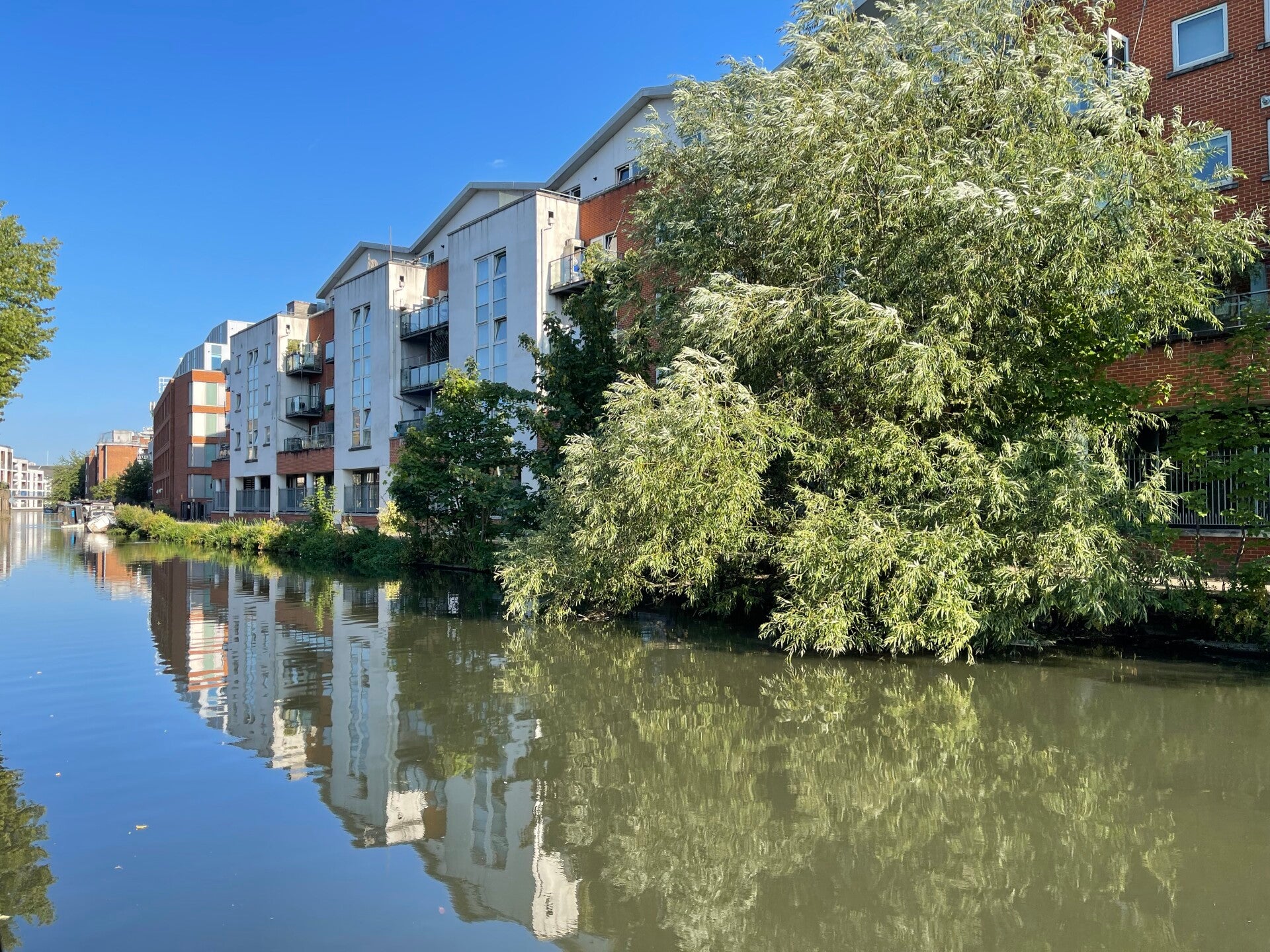
The tree-lined banks also play an important environmental role. Vegetation helps provide shade for the water, supports insects and birds, offers habitat for aquatic wildlife and softens what would otherwise be a heavily urban landscape.
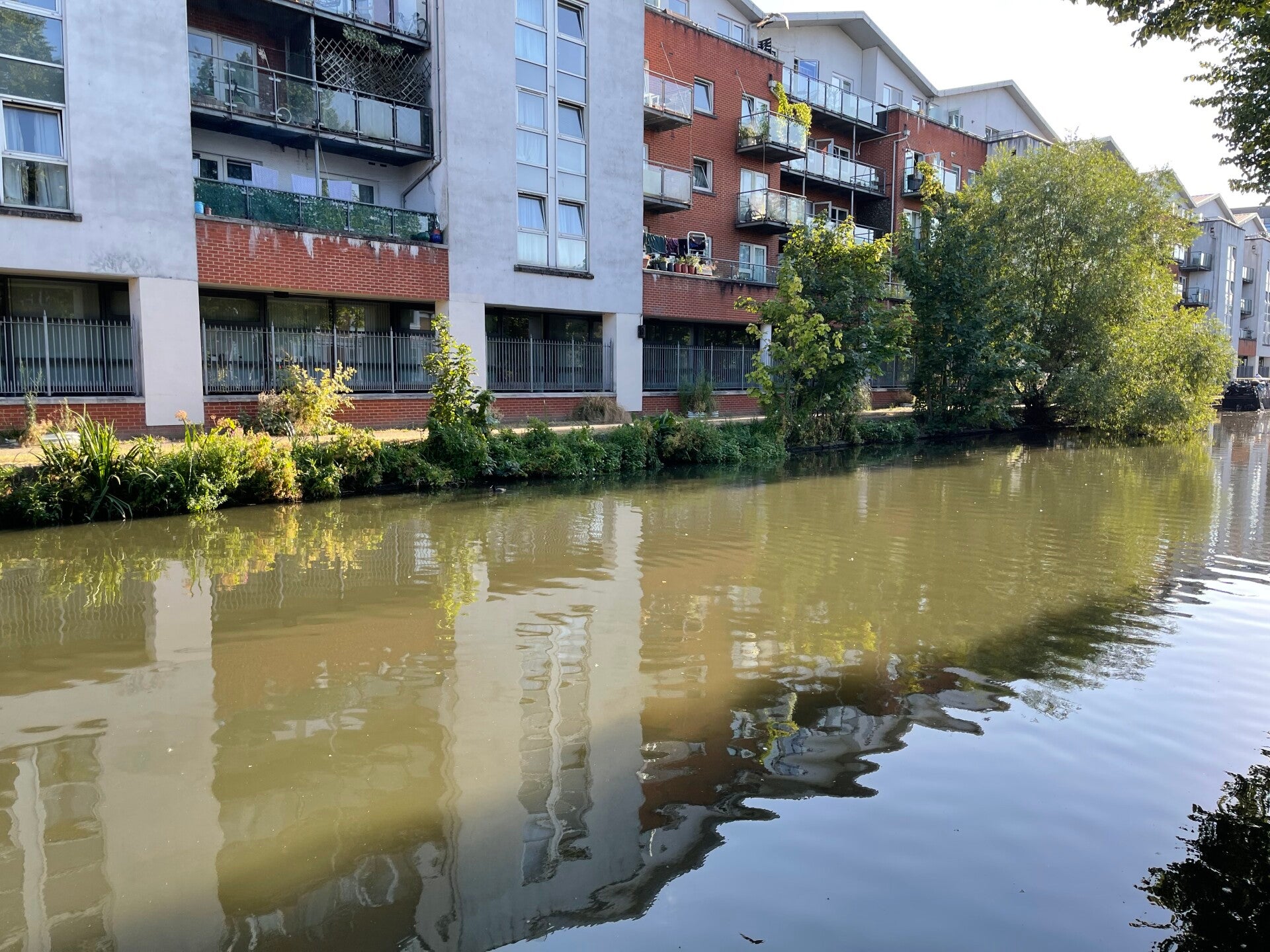
Although the canal appears clean here, regular monitoring remains essential. Pollution is not always visible. Water quality can be affected by runoff from surrounding streets, accidental spills, nutrients, chemicals and microscopic pollutants that cannot be detected simply by looking at the water.
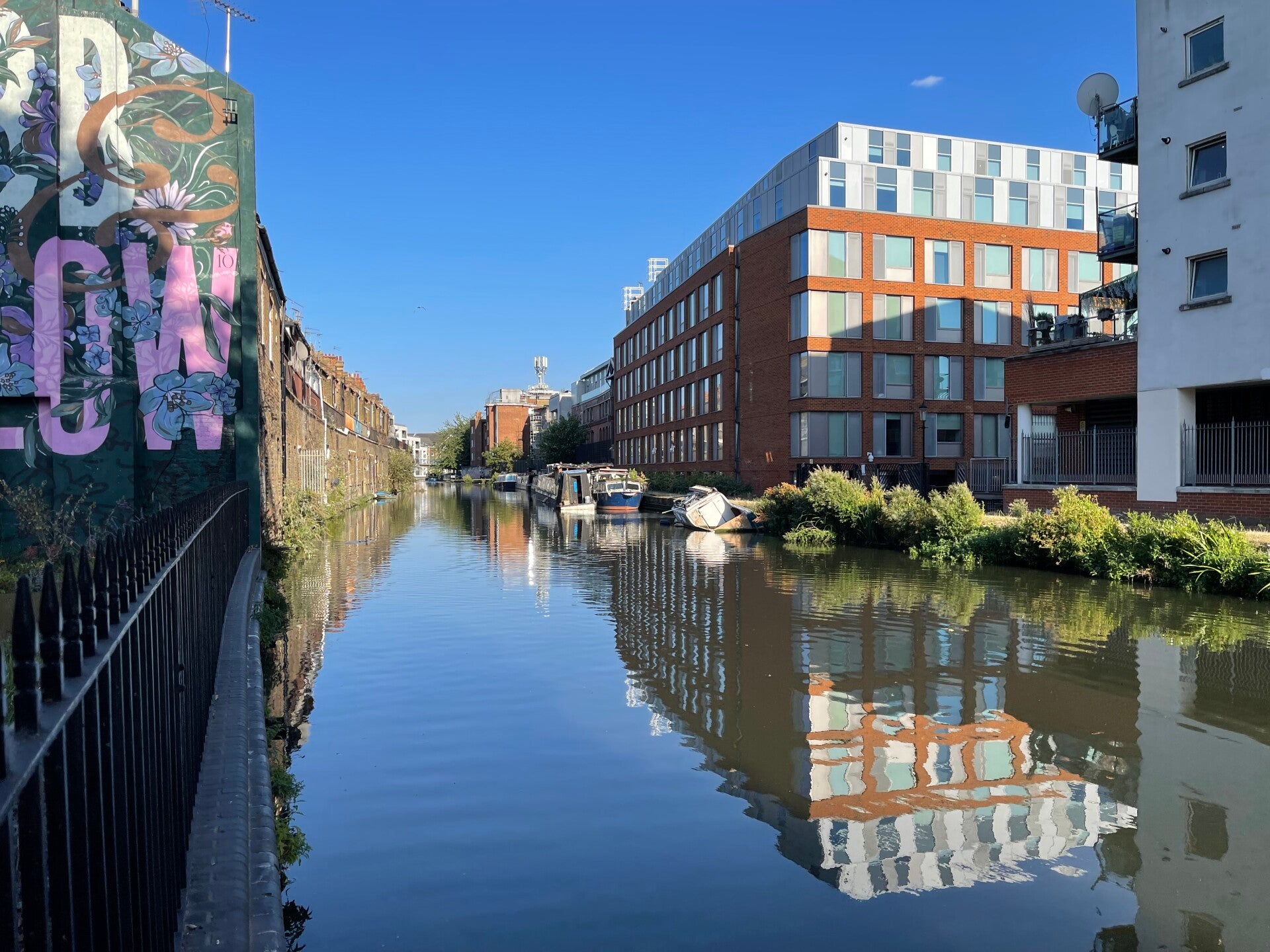
The exceptionally calm conditions create mirror-like reflections across the water. Trees act as natural infrastructure, on hot summer days they shade the canal, helping to keep water temperatures lower. Cooler water generally contains more dissolved oxygen, which benefits fish and other aquatic wildlife. As climate change brings more frequent heatwaves, preserving this vegetation will become increasingly important for maintaining the canal's ecological health.
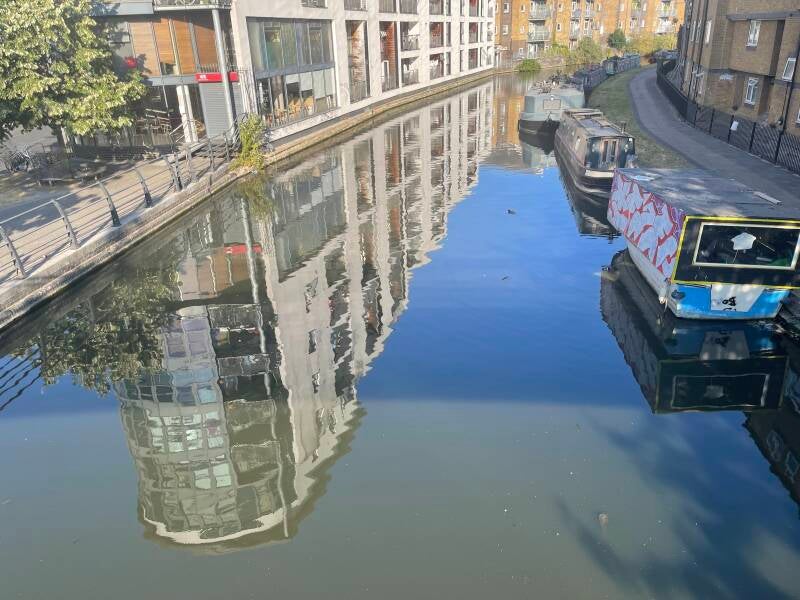
View from Ha'Penny Bridge looking East
On a calm summer afternoon, the canal becomes a mirror, reflecting modern apartments, historic narrowboats and the changing sky. he water itself remains opaque. The canal bed cannot be seen, meaning visual appearance alone cannot tell us about water quality.
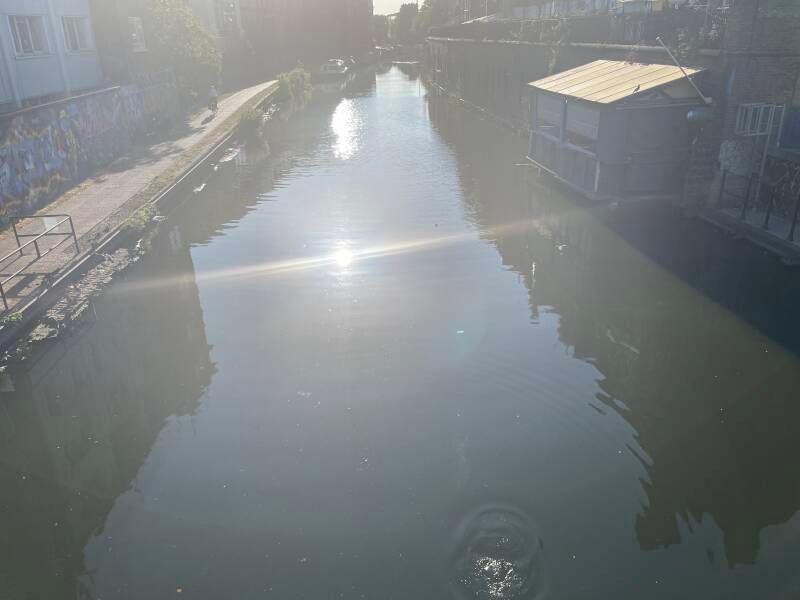
View from Ha'Penny Bridge looking West
Unfortunately, the sun's glare obscured any observations, although the water is still and refections can be seen. The small ripples visible in the photo above were created by a disturbed Eurasian Coot taking off.